Capability
What we can actually do
Not a statement of intent. Below is what the organisation works with and can carry out for a partner institution, museum or community.
High-precision photogrammetry
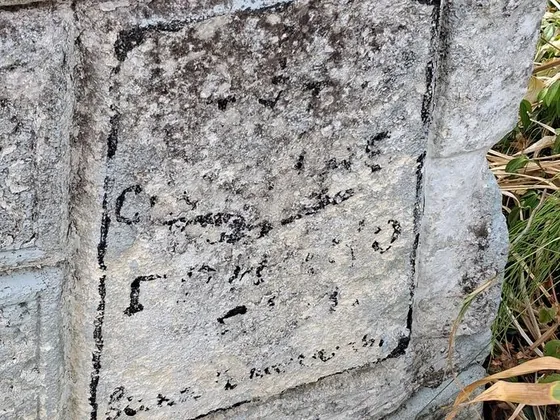
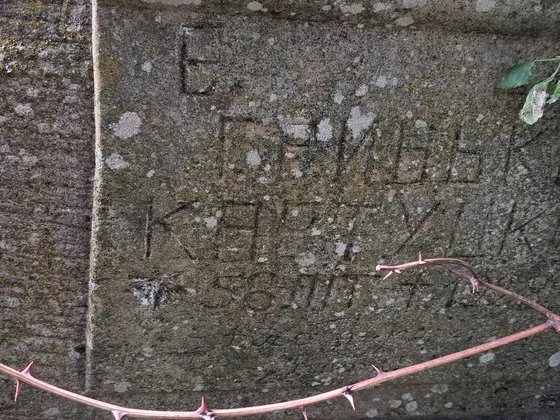
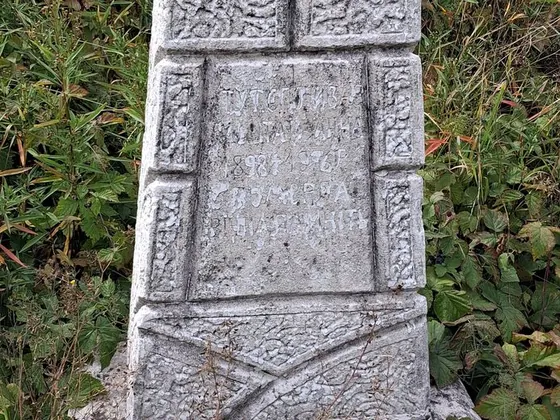
Processing in Reality Capture at LOD 400 detail — enough to read a half-worn carved inscription that cannot be read by eye on the monument itself.
3D-printed replicas
A physical copy can be printed from the model, to scale or at full size. For objects already destroyed, this is the only way to recover the form rather than just the image.
Academic grounding
The organisation works together with the cyber-physical systems laboratory of Ternopil Ivan Puluj National Technical University. Recording work feeds into published research, not only into an archive on a hard drive.
Fieldwork
Travel to villages across the Ternopil region and neighbouring areas, recording on site, and dealing with local councils and communities. Much of this heritage does not stand in a museum — it stands in a cemetery outside a village.
3D recording
What a finished model looks like
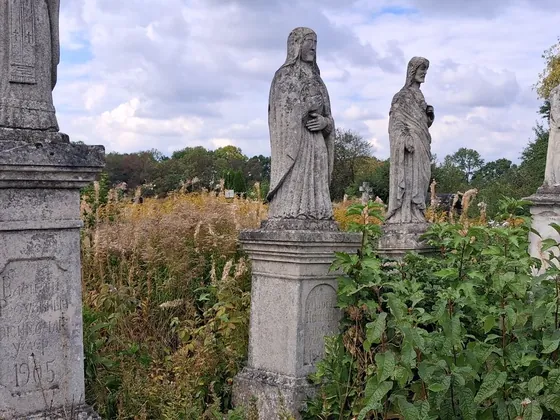
Sacred sculpture of the 18th and 19th centuries — saints, apostles, angels, the Mother of God — recorded photogrammetrically and processed as part of joint work with the National Reserve “Castles of Ternopil Region”, 2024–2025. The recording and the processing of the models were the organisation's contribution; the collection itself is held by the reserve.
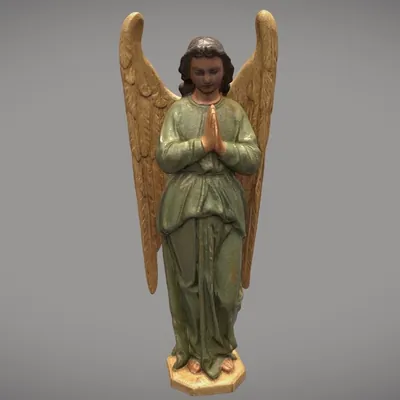
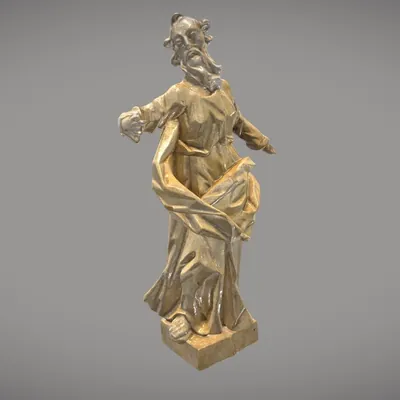
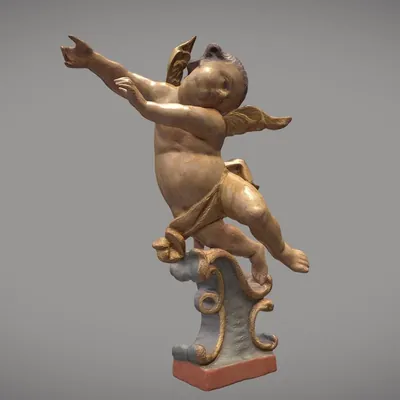
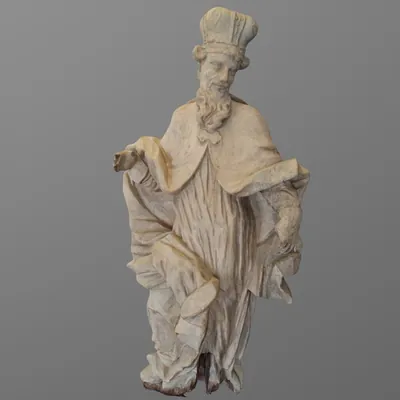
The models were recorded at a resolution fine enough to read the marks of the chisel and small losses in the surface — the same resolution that allows a full-size replica to be printed if the original is lost.
In the field
What recording on site looks like
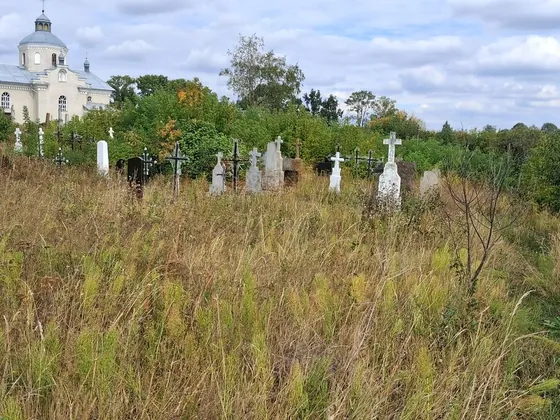
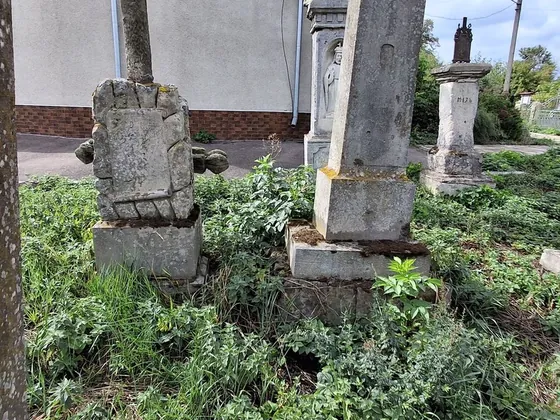
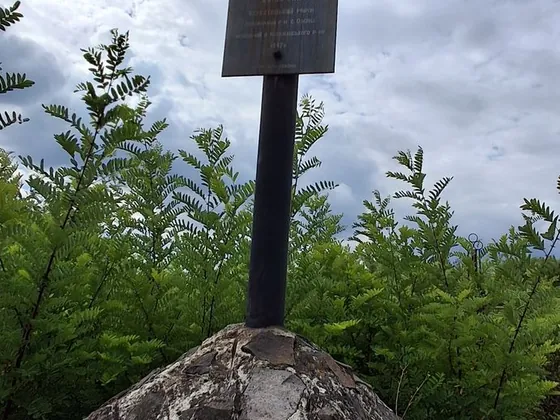
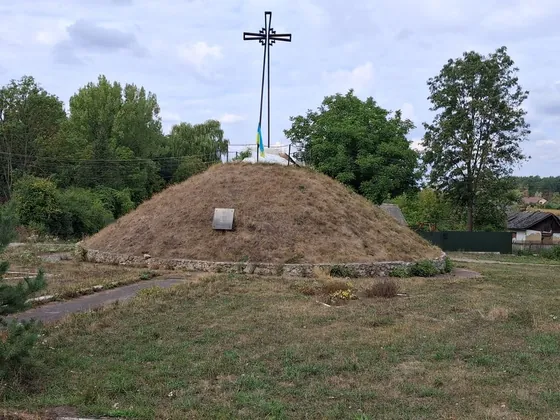
Photographs from field trips in September 2026, Ternopil region. The order is the same every time: first the wide view — where the cemetery sits in relation to the church and the village — then every stone on its own, with its inscription and in raking light. One such series serves equally as source material for a 3D model and as evidence for checking against the archives.
Everything shown stands in publicly accessible places: village cemeteries, wayside crosses and figures. We do not publish precise coordinates, and we do not photograph private individuals.