What we do
Three strands of work
The organisation rests on three things: recording an object precisely enough to measure it, finding the document that explains what it is, and making both available to people who are far away.
Digital recording
Photogrammetric survey of sacred sculpture, monuments, carving and burials. The result is a model with real geometry rather than a photograph: dimensions, profiles and tool marks can all be taken from it.
Archival research
An object without a document is only stone. We work with parish registers, cadastral records and state archive holdings to return a name, a date and a history to what we record.
Access and reproduction
A model can be shown on screen, used in scholarship, or printed as a physical replica. For a local community it is a way to keep a monument that is falling apart; for researchers, a way to work without travelling.
Capability
What we can actually do
Not a statement of intent. Below is what the organisation works with and can carry out for a partner institution, museum or community.
High-precision photogrammetry
Processing in Reality Capture at LOD 400 detail — enough to read a half-worn carved inscription that cannot be read by eye on the monument itself.
3D-printed replicas
A physical copy can be printed from the model, to scale or at full size. For objects already destroyed, this is the only way to recover the form rather than just the image.
Academic grounding
The organisation works together with the cyber-physical systems laboratory of Ternopil Ivan Puluj National Technical University. Recording work feeds into published research, not only into an archive on a hard drive.
Fieldwork
Travel to villages across the Ternopil region and neighbouring areas, recording on site, and dealing with local councils and communities. Much of this heritage does not stand in a museum — it stands in a cemetery outside a village.
Digitising handwritten registers
Photographing spreads in the reading room: even light, no flash, guided by the volume's own internal index. What comes out is a complete set of images, fit both for reading and for keeping.
Handwriting recognition and AI
The images are put through AI models: they propose a reading for each line, bring together different spellings of the same surname, and flag gaps in the numbering. The researcher decides — here AI is a tool, not a source.
Track record
What has actually been done
Briefly and without embellishment: below is work carried through to a result, not applications or intentions.
Digitising sacred sculpture
Participation in the joint recording of 18th and 19th century sacred sculpture — saints, apostles, angels, the Virgin — together with the National Reserve “Castles of Ternopil Region” and colleagues, 2024–2025. Our contribution was photogrammetric survey and model processing; the collection itself is held by the Reserve.
Member of the Time Machine Organisation
Since 21 September 2026 the organisation is an associate member of the Time Machine Organisation (Vienna), the European network linking science, technology and cultural heritage. The next step is a Local Time Machine project for the Ternopil region.
Published research
A paper on the use of 3D models of sacred sculpture in XR environments, prepared together with colleagues from Ternopil Ivan Puluj National Technical University.
3D recording
What a finished model looks like
Sacred sculpture of the 18th and 19th centuries — saints, apostles, angels, the Mother of God — recorded photogrammetrically and processed as part of joint work with the National Reserve “Castles of Ternopil Region”, 2024–2025. The recording and the processing of the models were the organisation's contribution; the collection itself is held by the reserve.
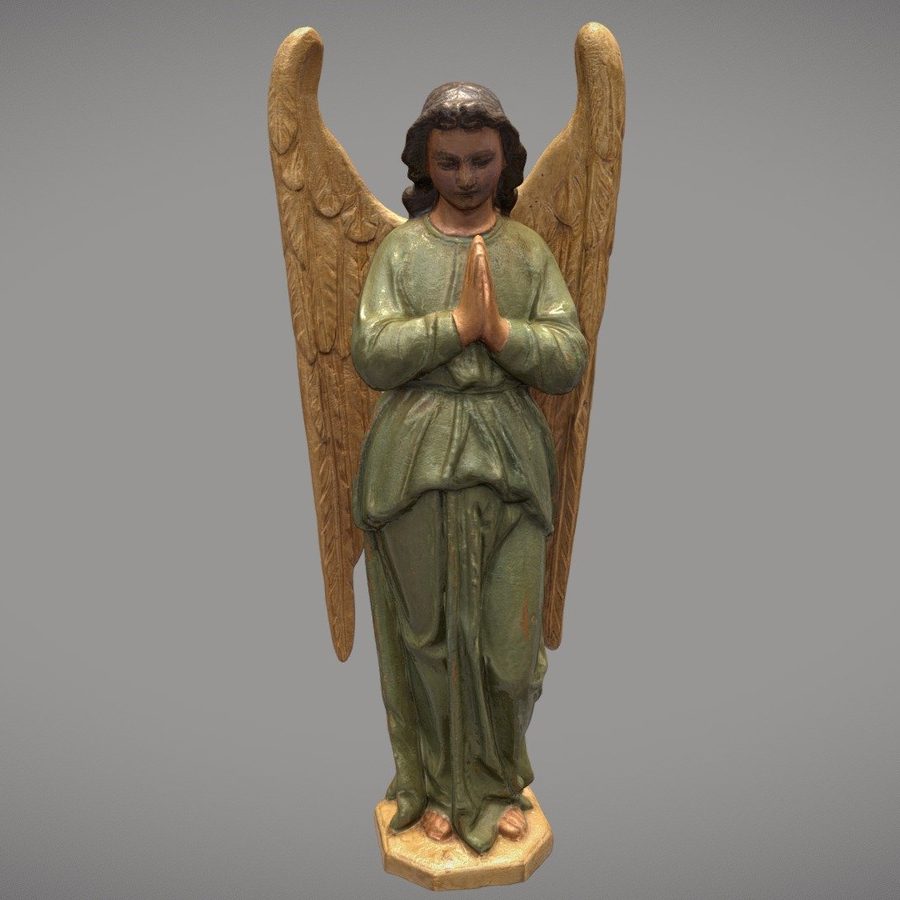

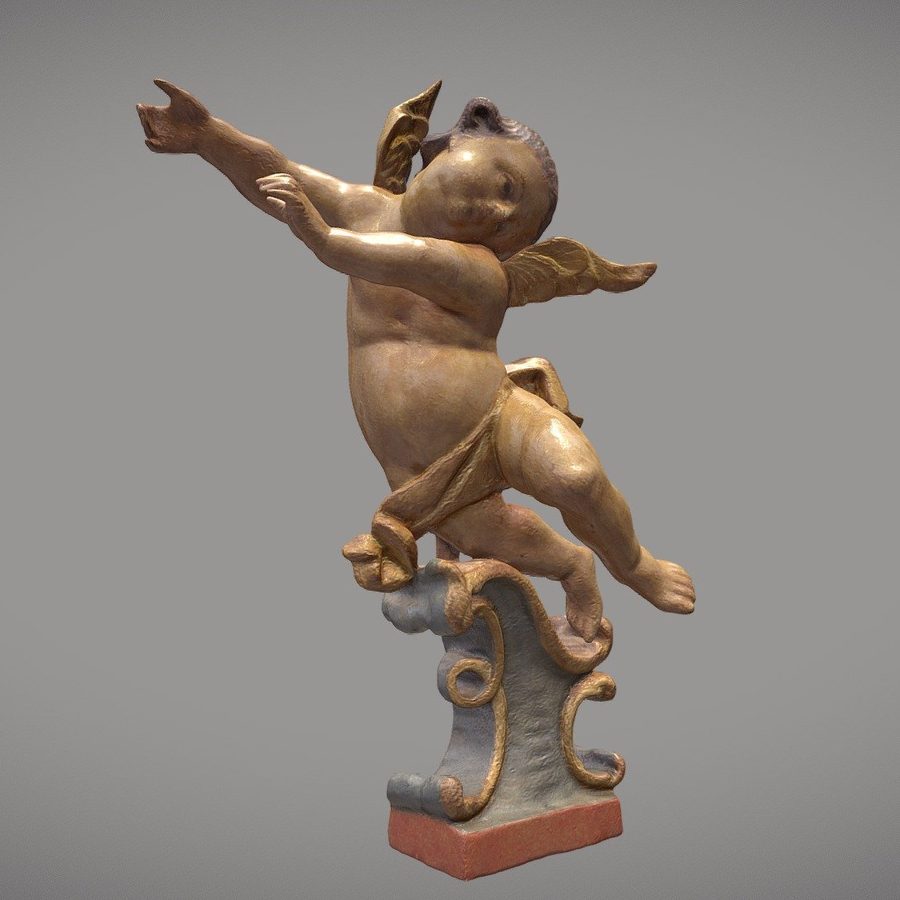
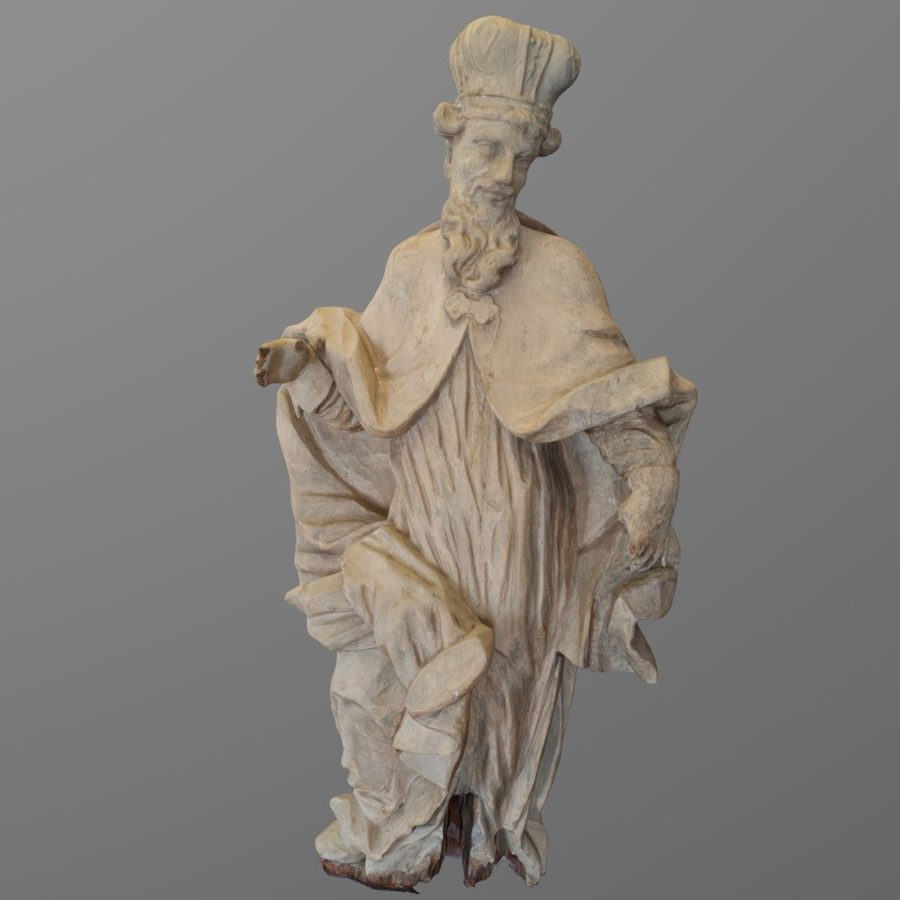
The models were recorded at a resolution fine enough to read the marks of the chisel and small losses in the surface — the same resolution that allows a full-size replica to be printed if the original is lost.
Archival records
Digitisation, handwriting recognition and AI
The third strand is handwritten registers and case files. First the photography: spread after spread, in even light and without flash, because flash washes out faded ink. Then the images are worked on: AI models help to make out the handwriting, to bring a dozen spellings of one surname together, and to suggest which volume holds the year missing from the sequence. The last word stays with the researcher — AI is confidently wrong exactly where the clerk abbreviated a word or changed hands mid-book, so every reading is checked against the original.
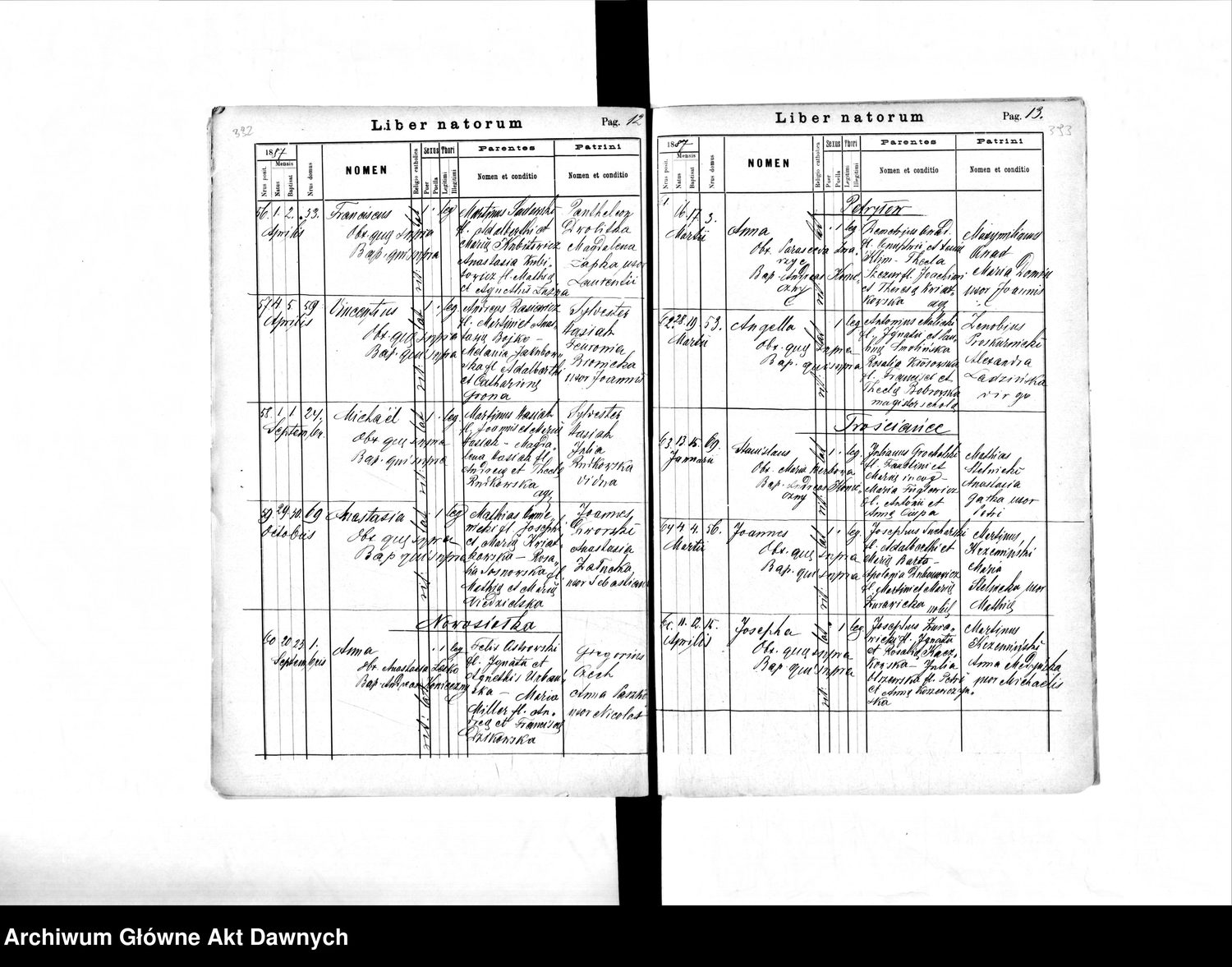
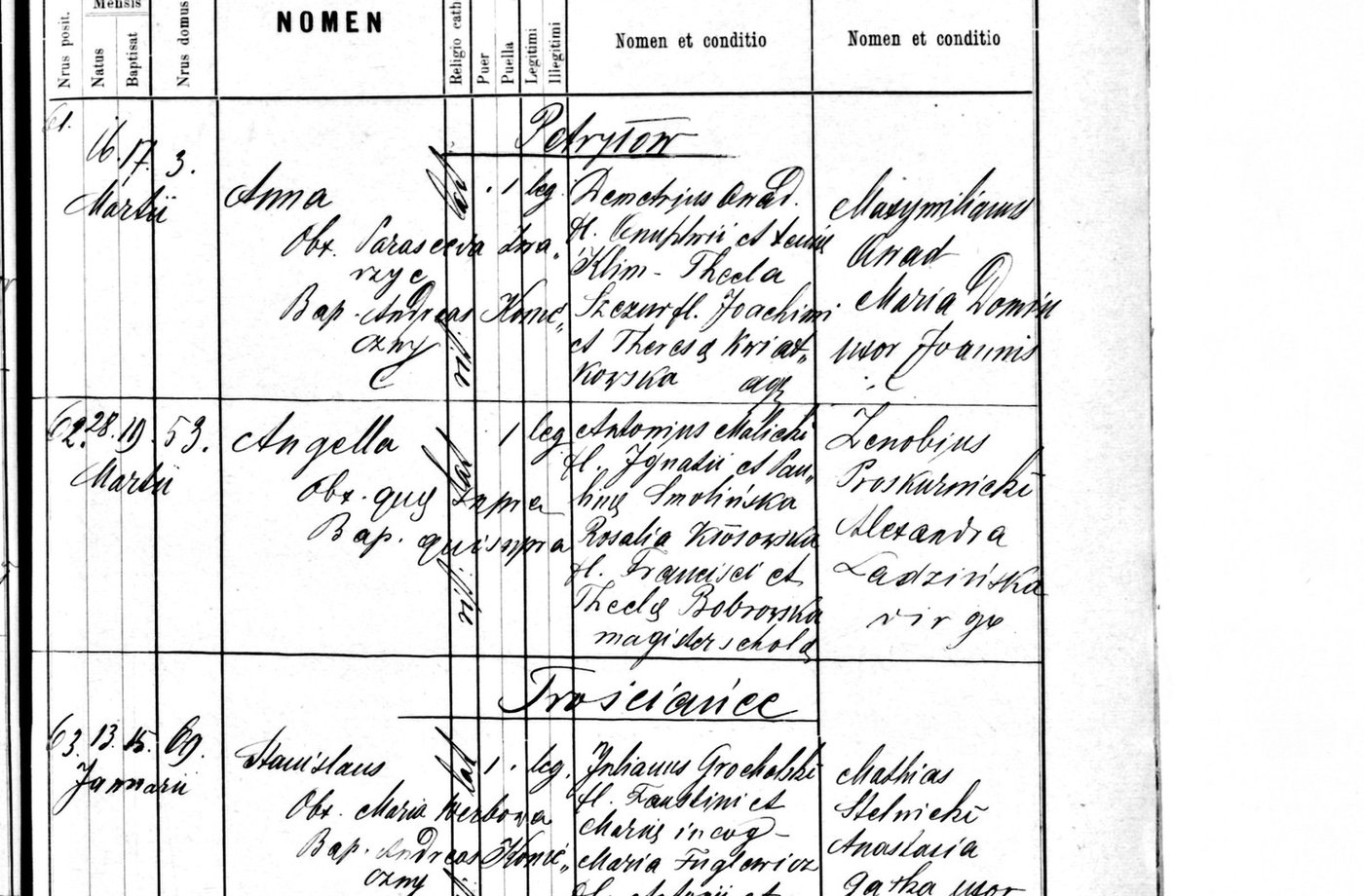
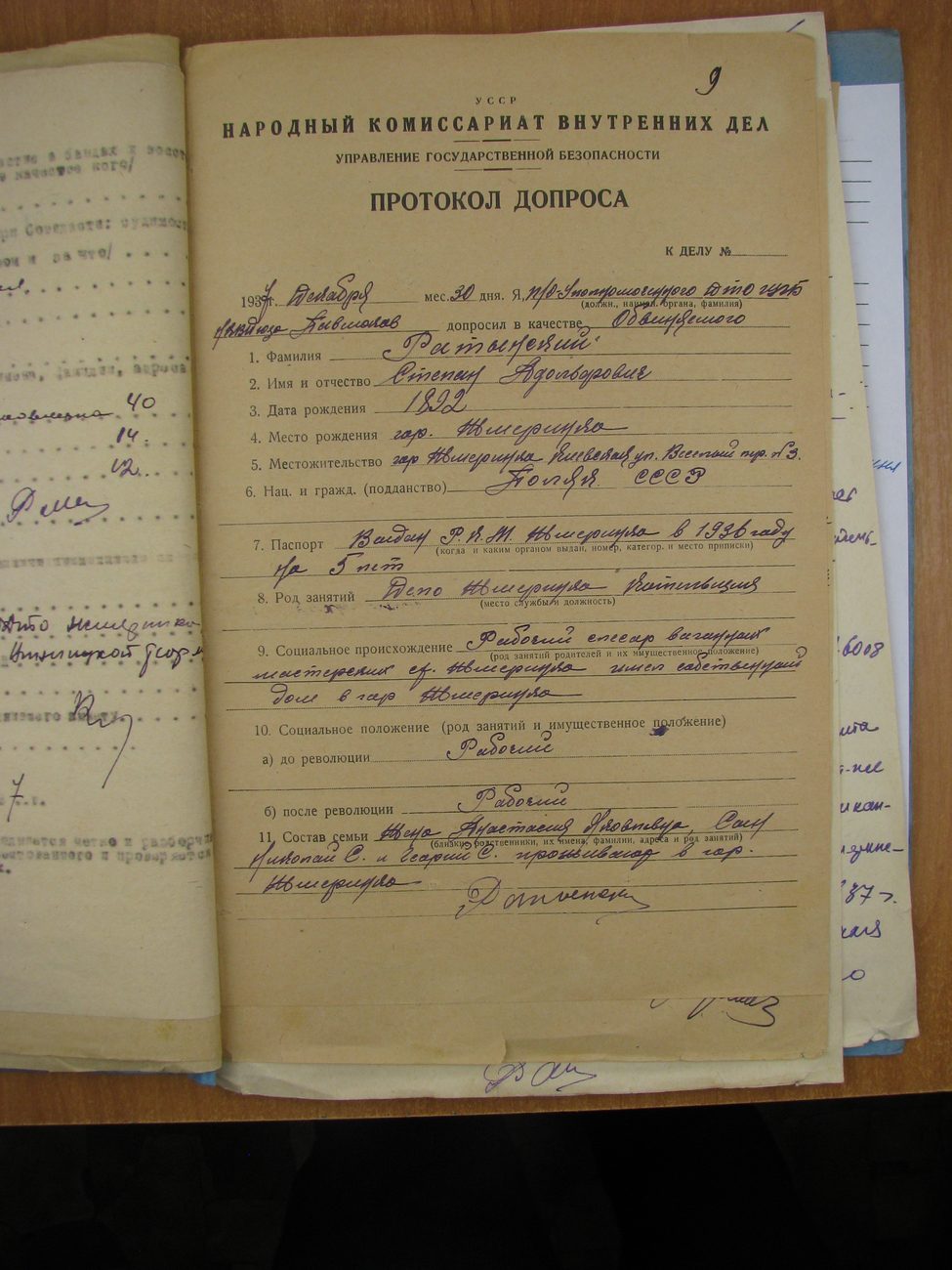

The images come from scans held by the Central Archives of Historical Records in Warsaw (AGAD), from a register the organisation worked through for its own research, and from the family archive of the head of the organisation: a 1937 case file opened against his great-grandfather, later rehabilitated. Material photographed for someone else's commission is never published here.
Who runs the organisation
Vadym Ratynskyi
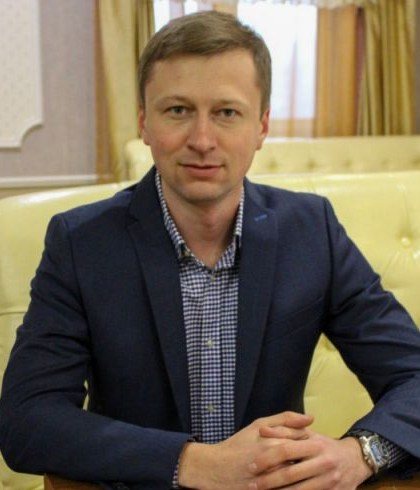
Vadym Ratynskyi — Ternopil
Founder and head of the organisation
He founded the organisation and has headed it since the day it was registered, 17 August 2016. He holds a Doctor of Economic Sciences — Ukraine's higher research doctorate — and has spent sixteen years researching and teaching at Ternopil Ivan Puluj National Technical University. His subject is how service businesses survive in the country's rural communities.
The villages he studies at the university are the same villages he drives to with a camera. He does the field recording, the model processing and the archival work himself, without subcontractors; at the university the organisation works alongside the cyber-physical systems laboratory.
He answers letters personally — ratvadim@gmail.com. The registration date, the non-profit status and the head of the organisation can be checked in the state register.
In the field
What recording on site looks like
Photographs from field trips in September 2026, Ternopil region. The order is the same every time: first the wide view — where the cemetery sits in relation to the church and the village — then every stone on its own, with its inscription and in raking light. One such series serves equally as source material for a 3D model and as evidence for checking against the archives.
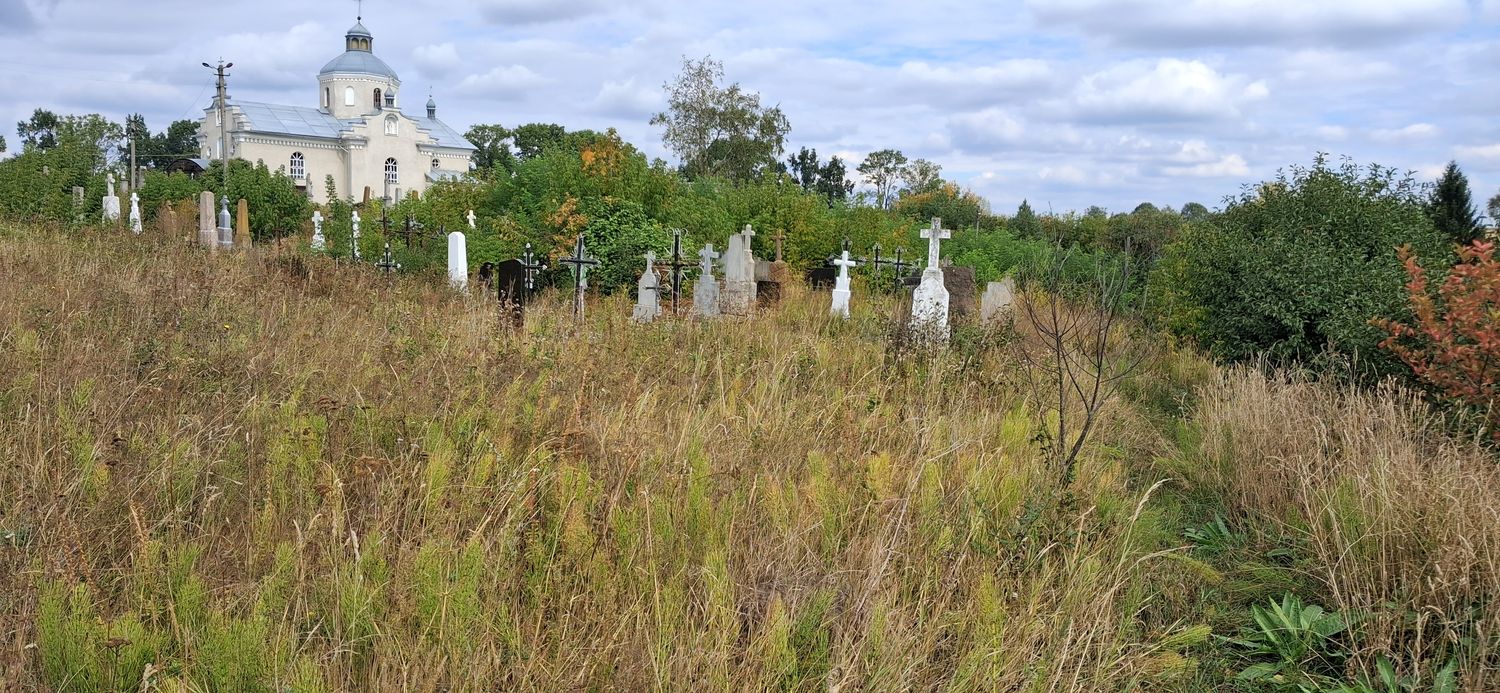


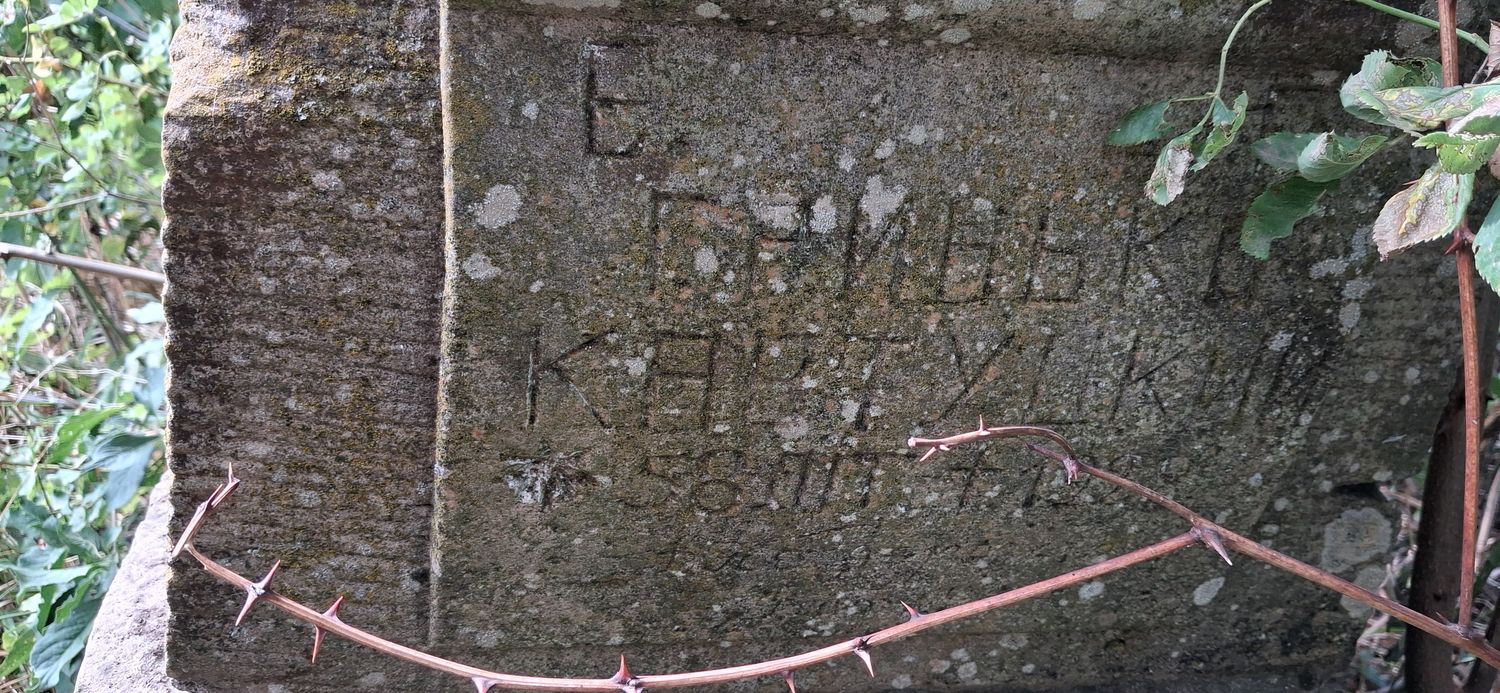


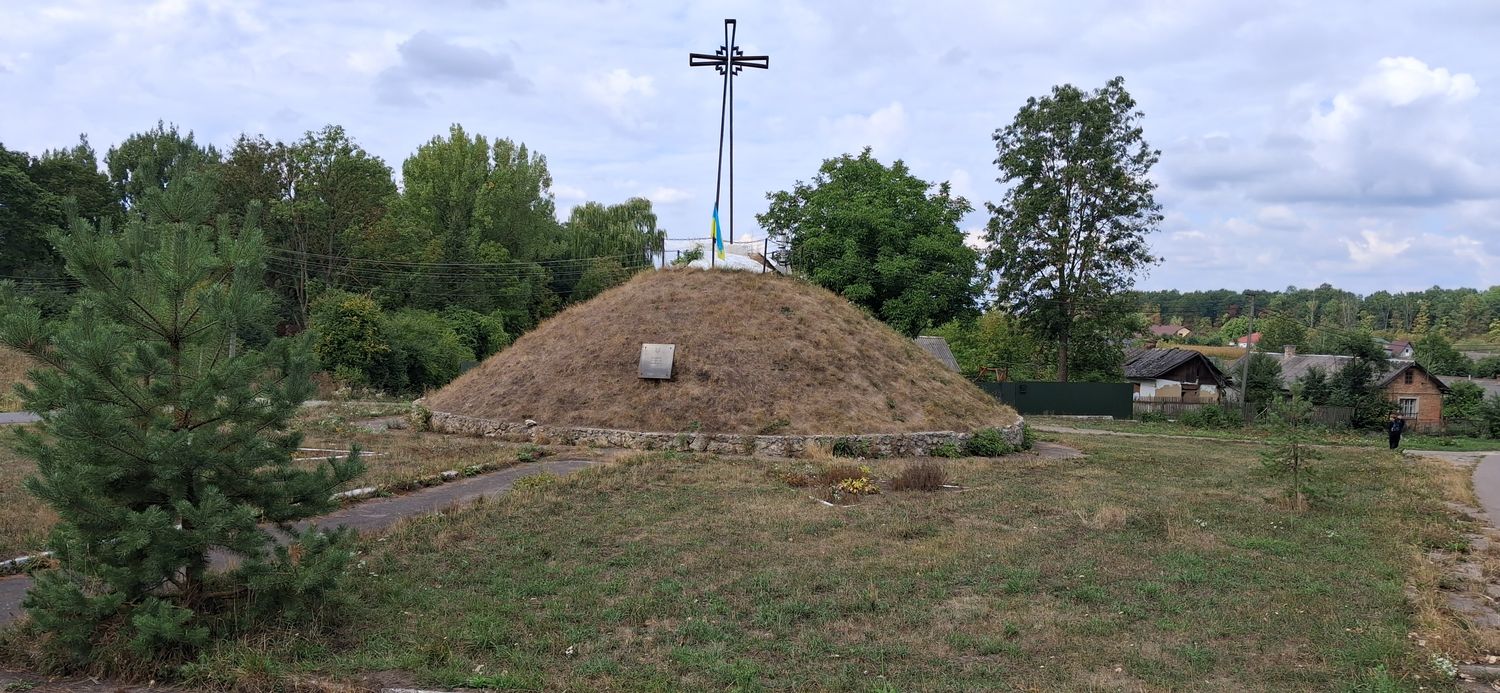

Everything shown stands in publicly accessible places: village cemeteries, wayside crosses and figures. We do not publish precise coordinates, and we do not photograph private individuals.
Working with us
Partners we have, and partners we are looking for
We are open to joint work with museums, heritage reserves, archives, parishes and diaspora organisations, in Ukraine and abroad. If something in your care is deteriorating, we are willing to discuss recording it.
- Legal name
- Громадська організація «Памʼять майбутнього»
- In English
- NGO “Memory of the Future”
- Registry no.
- 40750930 (Ukrainian state register of legal entities)
- Registered
- 17 August 2016, Ternopil, Ukraine
- Status
- Non-profit organisation
- Verify
- The entry in the state register — date, status and head of the organisation are all public
Related project
Ukrainian Homecoming
We would rather state this plainly than leave a reader to work it out.
A research project run by a member of the organisation
The head of the organisation also runs Ukrainian Homecoming, a family-history service for descendants of emigrants from Ukraine. It is separate work, not part of the organisation's non-profit activity: it has its own obligations, its own finances and its own website. What the two share is the craft — the same archives, the same camera, the same villages.
Visit ukrainianhomecoming.comContact
Write to us
In English or Ukrainian. The head of the organisation answers personally.
- Email ratvadim@gmail.com
- Location Ternopil, Ukraine